The Local Appeal of Cheese Pizza Boulder, Colorado
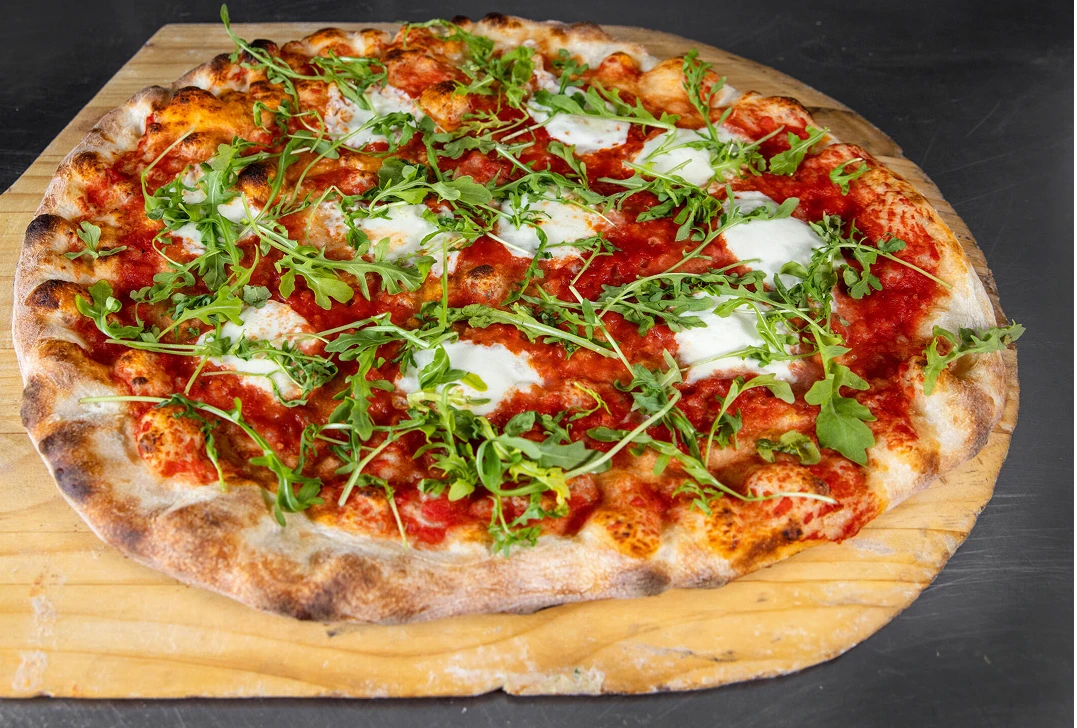
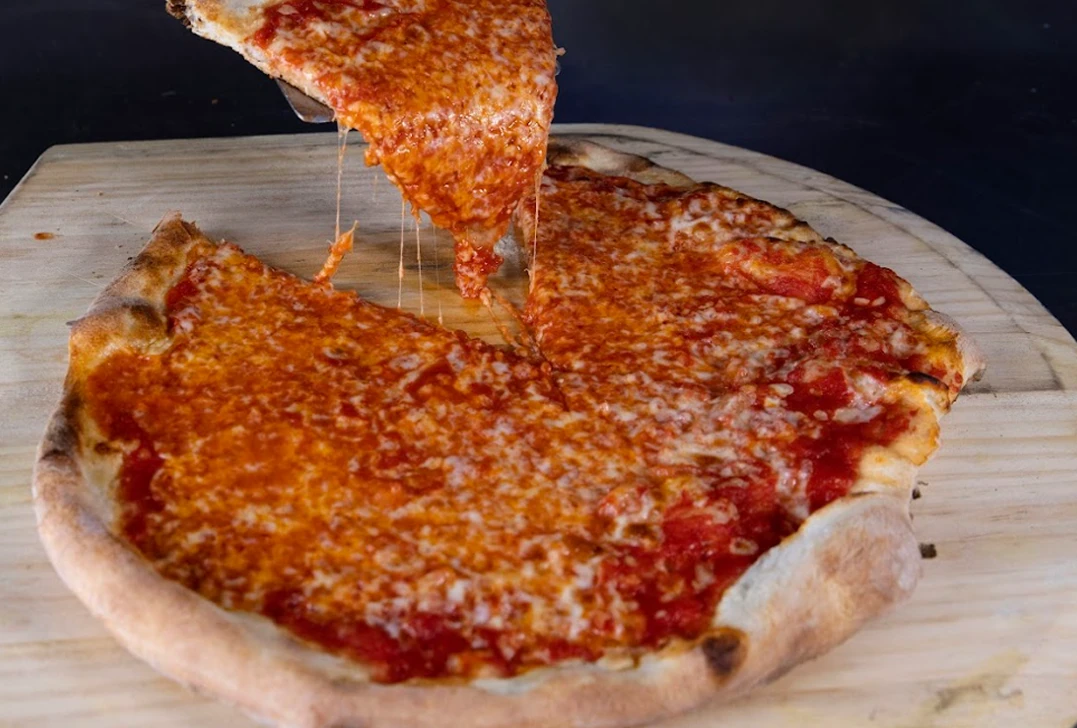

There is a reason a plain cheese pie can tell you more about a town than a fully loaded specialty pizza ever could. In Boulder, Colorado, where food culture often leans fresh, health-conscious, and ingredient-driven, cheese pizza carries a particular kind of local credibility. It strips away distraction. No pile of toppings to hide a weak crust, no sauce overload to mask bland mozzarella, no novelty angle to make up for poor balance. What remains is the core argument of any pizzeria, presented in its simplest form.
That matters in Boulder. This is a city where people notice sourcing, texture, and proportion. They talk about fermentation, produce seasons, and whether a meal feels heavy before an afternoon on the trails. A cheese pizza here is not just a fallback order for kids or picky eaters. It is often the smartest thing on the menu, especially if the kitchen understands dough, restraint, and the kind of clean flavor that stands up on its own.
The phrase Cheese Pizza Boulder, Colorado may sound narrow at first, almost too specific to sustain much conversation. But anyone who has spent time in college towns with strong regional identity knows how much local character shows up in familiar food. Boulder is a place where old standards survive only if they adapt well to the expectations around them. Cheese pizza has done exactly that.
Why simplicity works unusually well in Boulder
A great cheese pizza depends on four elements: dough, sauce, cheese, and heat. In some cities, diners are willing to forgive one weak link if the slice is cheap or huge or available at 1:00 a.m. Boulder tends to be less forgiving. People expect even casual food to show care. That creates a natural advantage for pizzerias that take fundamentals seriously.
The city’s dining culture rewards clarity. A heavily topped pie can feel indulgent, but it also blurs the quality of the base ingredients. Cheese pizza lets each choice stand in daylight. Is the crust tender in the middle and crisp at the edge? Does the sauce taste bright rather than sugary? Is the mozzarella applied with enough confidence to satisfy, but not so much that it turns greasy? These are small distinctions, yet they shape whether a pizza feels crafted or generic.
Boulder diners also tend to appreciate food that can fit several moods in one week. A cheese pizza can be post-hike comfort, a quick family dinner, an easy takeout option after work, or a casual meal shared over a beer. It is flexible without feeling thoughtless. In a city where people often move between exercise, work, campus life, and social plans in the same day, that versatility gives simple pizza lasting appeal.
The college town effect, without the usual compromise
Any discussion of pizza in Boulder has to account for the University of Colorado and the steady rhythm of student life around it. College towns support pizza almost by default. Students want value, late hours, shareable meals, and food that still tastes good from the box. Yet Boulder’s version of that demand is slightly different from what you find in a typical campus market.
Students here are not one uniform crowd. Alongside the standard appetite for cheap slices, there is also a meaningful market for better ingredients and more careful cooking. That changes the floor and the ceiling for local pizzerias. A place cannot rely only on volume and convenience forever. If it wants repeat business beyond the midnight rush, it needs quality that holds up in daylight.
Cheese pizza benefits from that dynamic. For students, it remains the most reliable group order. For parents visiting campus, it is the safest bet after a long day of moving boxes or touring apartments. For faculty, staff, and locals, it offers a fast meal that can still feel considered rather than purely functional. In practical terms, that means the best cheese pizza in Boulder, Colorado often has to satisfy three different expectations at once: affordability, consistency, and enough character to stand out in a town with real food opinions.
Boulder’s ingredient culture shows up in the pie
You do not need a long ingredient manifesto to taste when a pizzeria is paying attention. Boulder has long supported farmers markets, natural grocers, and restaurants that speak the language of sourcing. Pizza shops absorb some of that influence, even when they remain casual and accessible.
With cheese pizza, the ingredient story becomes especially visible. Sauce with a clean tomato profile reads immediately. A dough made with patience, whether through cold fermentation or simply good handling, develops flavor that does not need explanation. Better mozzarella melts differently, browns more evenly, and leaves less oil pooled on top. Even the flour choice can affect how the crust feels, from airy and elastic to thin and crisp.
That does not mean every local customer wants an aggressively artisanal pie. Boulder can be skeptical of overdesigned comfort food, especially when it starts to feel performative. The sweet spot is a pizza that tastes thoughtful without advertising its thoughtfulness too loudly. Cheese pizza is ideal for that. It allows a pizzeria to show standards without leaning on a speech.
I have found that in places like Boulder, diners notice the absence of excess. They appreciate when the crust has chew but not toughness, when the sauce carries acidity without becoming sharp, and when the cheese stretches cleanly instead of collapsing into rubber after five minutes in the box. None of those details is glamorous. Together, they make the difference between a pizza people settle for and one they actively crave.
Texture matters more here than many owners realize
Flavor gets most of the attention, but texture is often what decides whether people order again. Boulder’s altitude adds a layer of complexity to baking in general, and pizza is no exception. Hydration, proofing, and oven behavior all demand adjustment. While not every diner can explain why one crust feels more alive than another, they can certainly sense it.
A good local cheese pizza tends to respect contrast. The underside should hold structure. The rim should offer some crispness at the surface with softness underneath. The center should bend without turning soupy. When shops miss that balance, the flaws show up fast. Too much moisture and the middle collapses. Too little and the pie turns dry, especially in Boulder’s climate where food can lose warmth and tenderness quickly.
This is one reason cheese pizza can outperform more elaborate combinations in takeout situations. If a pie is built properly, it travels better than a topping-heavy pizza whose extra moisture keeps steaming the crust in the box. For busy Boulder households, that matters. So does reheating. A solid cheese slice can come back to life in a skillet or oven the next day with surprisingly little loss. A poorly built specialty pie often cannot.
A food that bridges Boulder’s different neighborhoods and habits
Boulder is not a one-note city. The rhythms around downtown differ from those in more residential areas. Student-heavy blocks have different needs than family neighborhoods or office-adjacent corridors. Cheese pizza works across all of them because it carries almost no social friction.
For a Cheese Pizza Boulder, Colorado family, it is the order that avoids debate. For a couple, it can be the smart baseline to share alongside a salad. For a group of friends, it is the first pie on the table before more specific orders arrive. For someone dining alone, it is often the clearest test of whether a new pizza place is worth revisiting. That range gives cheese pizza unusual cultural durability.
There is also the price factor. Boulder is not a cheap place to eat, and residents know it. When budgets tighten, people become more selective about what feels worth restaurant pricing. A cheese pizza can still feel like value if it is done well because the customer understands exactly what they are paying for. They are not being sold decoration. They are buying technique, ingredient quality, and consistency.
That may be the Cheese Pizza Boulder, Colorado strongest local appeal of Cheese Pizza Boulder, Colorado. It aligns with the city’s tendency to scrutinize essentials. Boulder often rewards businesses that can justify themselves without gimmicks. A strong cheese pie does that in one box.
What locals usually mean when they say a pizza is “good”
People use the word “good” loosely, but in practice they often mean a specific set of qualities. In Boulder, those qualities usually combine satisfaction with a sense of balance. A pizza can be rich, but it should not feel sloppy. It can be crisp, but it should not shatter like a cracker. It can be cheesy, but the cheese should still taste like dairy rather than just salt and fat.
When locals recommend a place for cheese pizza, they are often pointing to one of a few strengths:
- A crust with real flavor, not just structure.
- Sauce that tastes fresh and measured.
- Cheese coverage that feels generous without becoming heavy.
- Reliable execution across dine-in, takeout, and busy hours.
- A slice that still tastes distinct when ordered plain.
That last point is more important than it looks. Plenty of pizzerias build menu energy around specialty combinations, then treat the plain cheese pie as an afterthought. In Boulder, that can backfire. A community that values food literacy will often judge the whole shop by the plainest thing it serves.
The role of nostalgia, and why it is not the whole story
Cheese pizza carries obvious nostalgia. It is school lunches, birthday parties, team dinners, dorm nights, and easy Friday takeout. In Boulder, that emotional pull is part of the equation, but it is not enough by itself. Nostalgia can get someone through the door once. It does not build regulars unless the pizza genuinely delivers.
What makes Boulder interesting is how nostalgia intersects with current expectations. Many adults want the straightforward pleasure of the cheese slices they grew up with, but they also want better ingredients and cleaner execution than what they remember from chain restaurants or cafeteria trays. They are not necessarily looking for a radical reinvention. More often, they want the classic version with fewer compromises.
This is where local pizzerias have room to shine. A shop does not need to reinvent pizza to win affection in Boulder. It needs to make the familiar feel trustworthy and satisfying. That is a subtler challenge than creating an attention-grabbing menu item, and it often produces stronger loyalty.
Cheese pizza as a benchmark for pizzerias
If I want to understand a pizza shop quickly, I order cheese first. It is the best benchmark because it exposes the kitchen’s decisions in plain view. Boulder is a particularly good city for this kind of test because the market includes a mix of independent spots, neighborhood operators, and places serving both local regulars and transient campus traffic.
A plain pie answers important questions fast. Does the dough have fermentation flavor, or does it taste rushed? Is the sauce applied with discipline, or does it swamp the center? Is the oven hot enough to create character in the crust? Does the cheese brown in appetizing spots, or does it sit flat and pale? You can tell a lot from one box.
Customers instinctively run this test even if they do not articulate it. That is why a dependable cheese pizza can anchor a business more effectively than a long specialty menu. People may experiment once, but they come back for the pie they trust. In Boulder, trust in food is a meaningful asset. Residents are quick to share recommendations and equally quick to notice slippage.
Pairing, timing, and the practical side of enjoying it
Part of the local appeal is not just what the pizza is, but how it fits into Boulder life. Cheese pizza works at odd hours and in changing weather. It suits a sunny patio lunch, a recovery meal after a long bike ride, or a cold evening when cooking feels impossible. It pairs easily with beer, sparkling water, salad, or nothing at all. That sounds ordinary, but ordinary foods that fit real routines tend to last.
The best times to order can affect the experience more than people think. Peak rushes test a kitchen’s discipline. A shop that produces a strong cheese pie at a calm hour but loses crust texture and topping balance on a Friday night has a consistency problem. Boulder diners notice that, especially when takeout is part of weekly habit rather than an occasional indulgence.
A few practical habits make a difference with cheese pizza at home:
- Open the box briefly when you get home if steam is building.
- Reheat slices in a skillet or hot oven rather than a microwave.
- Eat the first slice sooner than you think, while the crust still has tension.
- If you add extras at home, use restraint so the pizza keeps its balance.
Those small details preserve what the pizzeria worked to create. They are especially relevant in a place like Boulder, where dry air and temperature swings can change texture quickly.
Why children, athletes, students, and professionals all keep ordering it
Few foods cross demographics as easily as cheese pizza, but in Boulder the overlap is unusually visible. Children like it because it is familiar. Students like it because it is affordable and shareable. Athletes like it because it is satisfying without always feeling overloaded, depending on the style. Professionals like it because it solves dinner cleanly and often pleases everyone at the table.
This broad appeal becomes even more important in a city where schedules rarely line up neatly. One person is coming from campus, another from a run, another from work, another from a music lesson or school event. Cheese pizza accommodates all those arrivals without requiring negotiation. It is one of the few restaurant foods that still feels communal in a direct way. People pull slices from the same box, compare crusts, reach for another, and move on with the evening.
That simple social function is easy to undervalue, especially in a food culture that often celebrates novelty. Yet reliable shared food has real local importance. It supports community habits. It gives people a default meeting point. In Boulder, where many residents balance busy, health-aware, and socially active lives, that usefulness has staying power.
The understated sophistication of a plain pie
There is a tendency to treat cheese pizza as basic, almost beneath serious food discussion. That misses the point. Restraint is not lack of sophistication. In many kitchens, it is the highest test of it. A plain pie asks for judgment at every stage, from dough mixing and fermentation to the moisture in the cheese and the exact moment it leaves the oven.
Boulder responds well to this kind of understated competence. The city often values expertise that shows up in results rather than spectacle. Cheese pizza fits that sensibility almost perfectly. It can be humble without being dull, comforting without being careless, familiar without being forgettable.
That is why the local appeal of Cheese Pizza Boulder, Colorado has less to do with trend and more to do with fit. The food matches the place. It rewards quality-conscious diners, satisfies practical needs, travels across age groups, and leaves nowhere for a pizzeria to hide. In a city known for strong preferences and high standards, that kind of transparency becomes a strength.
A well-made cheese pizza does not ask for much attention. It simply earns it, slice by slice.
Brooklyn Pizza
Address: 1647 Arapahoe Ave, Boulder, CO 80302
Phone number: +17203282324
FAQ About Cheese Pizza Boulder, Colorado
What is usually on a cheese pizza?
A standard cheese pizza consists of a yeast dough crust, a seasoned tomato-based sauce, and melted mozzarella cheese.
What is a cheese pizza called?
A basic cheese pizza is simply called a cheese pizza, a plain pizza, or a plain pie.
What is the best recipe for cheese pizza?
The best cheese pizza recipe uses high-heat baking, a simple raw tomato sauce, and a mix of low-moisture and fresh mozzarella cheese on a homemade yeast dough.
Ends · TYSONKUOJ480